Learn. Understand. Support.

Autism

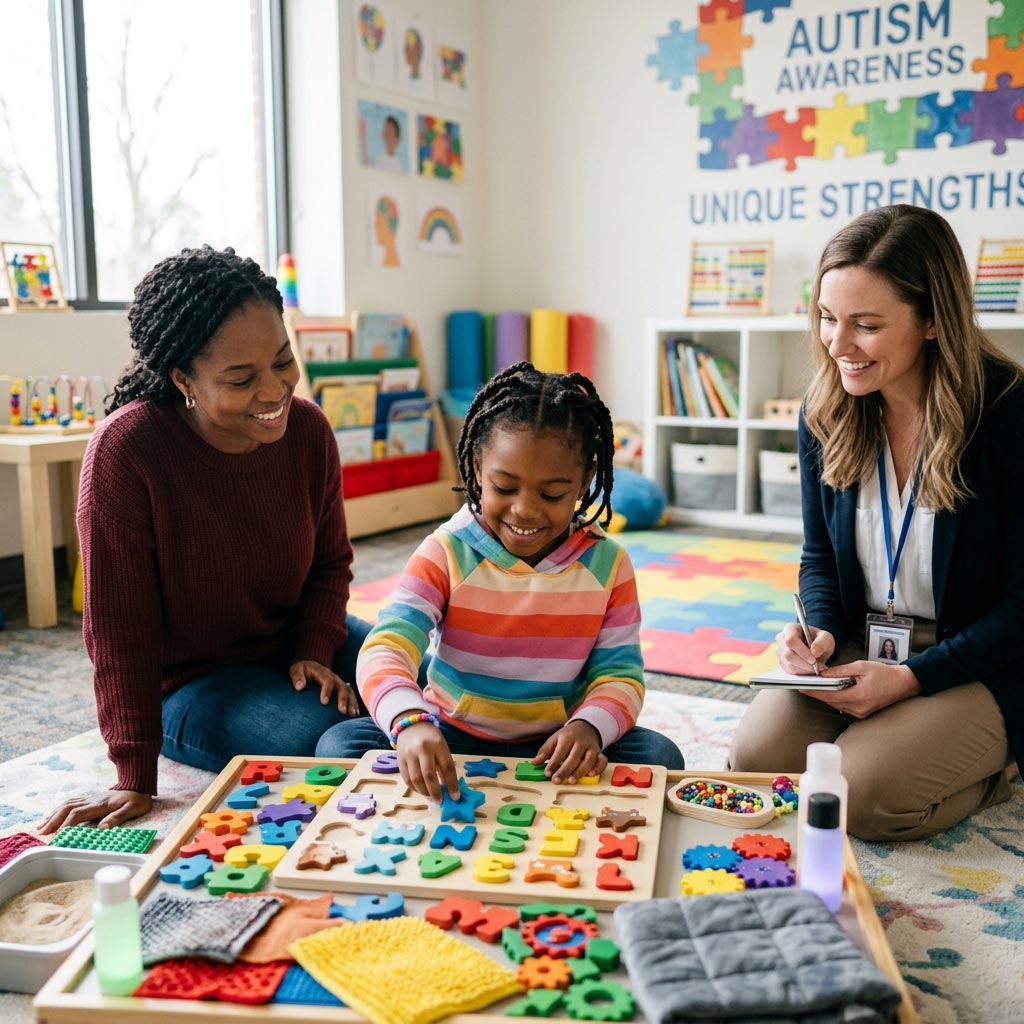
Autism, or Autism Spectrum Disorder (ASD), is a lifelong neurodevelopmental condition that affects how a person perceives the world, communicates, and interacts with others. It is called a “spectrum” because the strengths, challenges, and support needs of autistic individuals vary widely from person to person.

Down syndrome

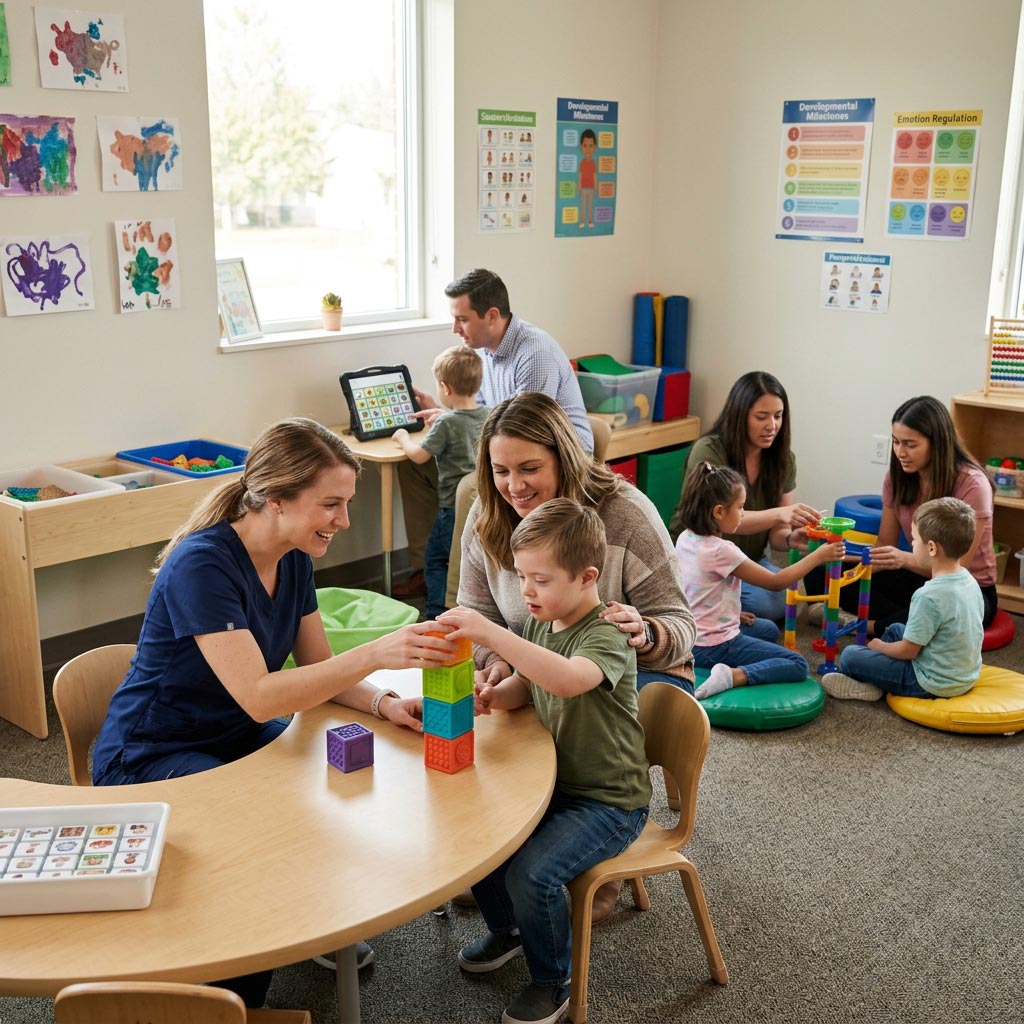
Down syndrome is a genetic condition caused by an extra full or partial chromosome 21. Instead of the usual 46 chromosomes, individuals with this condition have 47. This extra genetic material alters development, causing distinct physical features, varying levels of intellectual disability, and specific health challenges.

Occupational therapy

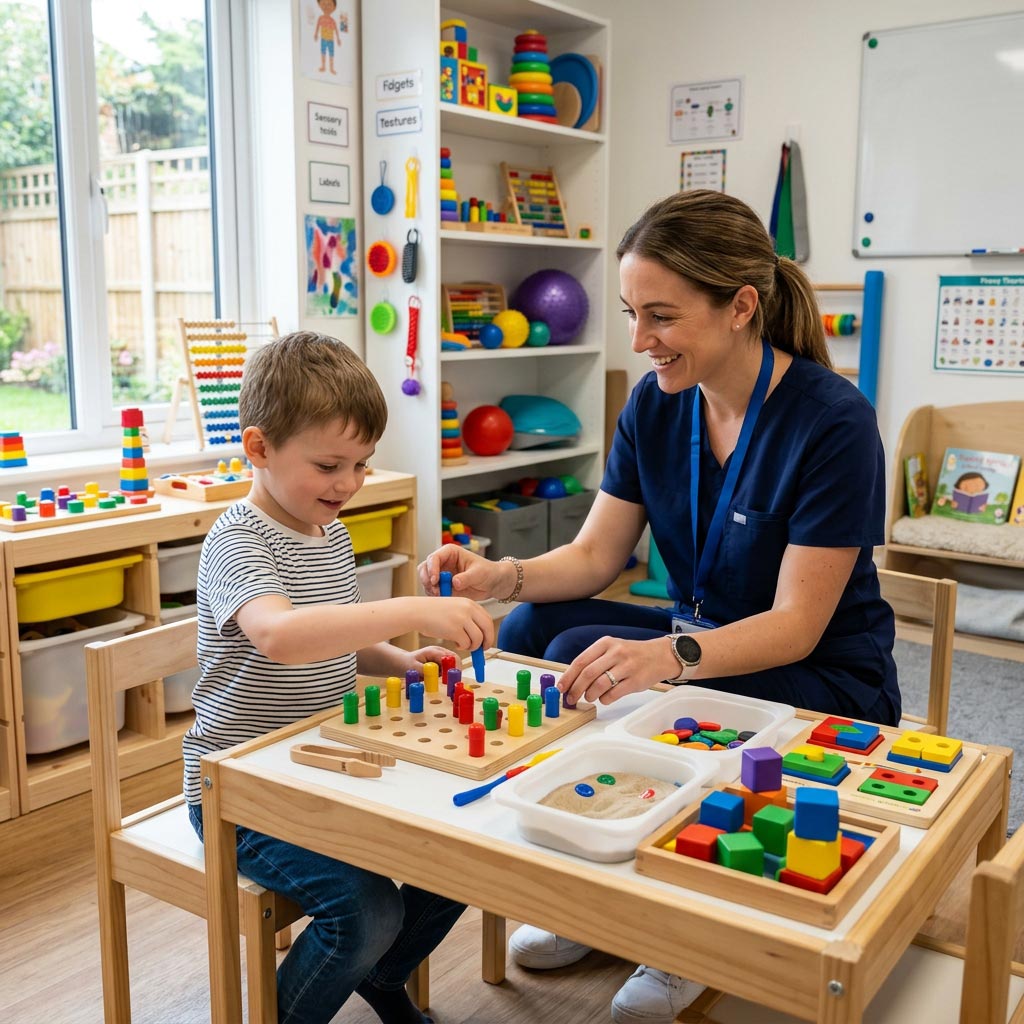
Occupational therapy (OT) is a healthcare profession that helps people of all ages participate in their daily, meaningful activities—or “occupations.” Rather than just treating an injury, it focuses on adapting tasks, environments, and skills to help you live as independently and safely as possible.

Behavioral therapy

Behavioral therapy is a broad, action-oriented approach that focuses on identifying and changing unhealthy or self-destructive behaviors. It operates on the core principle that all behaviors are learned, meaning they can be unlearned and replaced with healthier, more adaptive habits

Social (Pragmatic) Communication Disorder (SCD)

Involves challenges with verbal and nonverbal communication in social contexts, but without the restricted or repetitive behaviors characteristic of autism.

Attention-Deficit/Hyperactivity Disorder (ADHD)

Kids may struggle with focus, social interactions, and impulsivity, which can overlap with autism-like behaviors.

Genetic Disorders

Conditions like Fragile X Syndrome, Rett Syndrome, and Williams Syndrome often cause severe developmental delays and social difficulties that can be misdiagnosed as approaches

Processing Disorder (SPD)

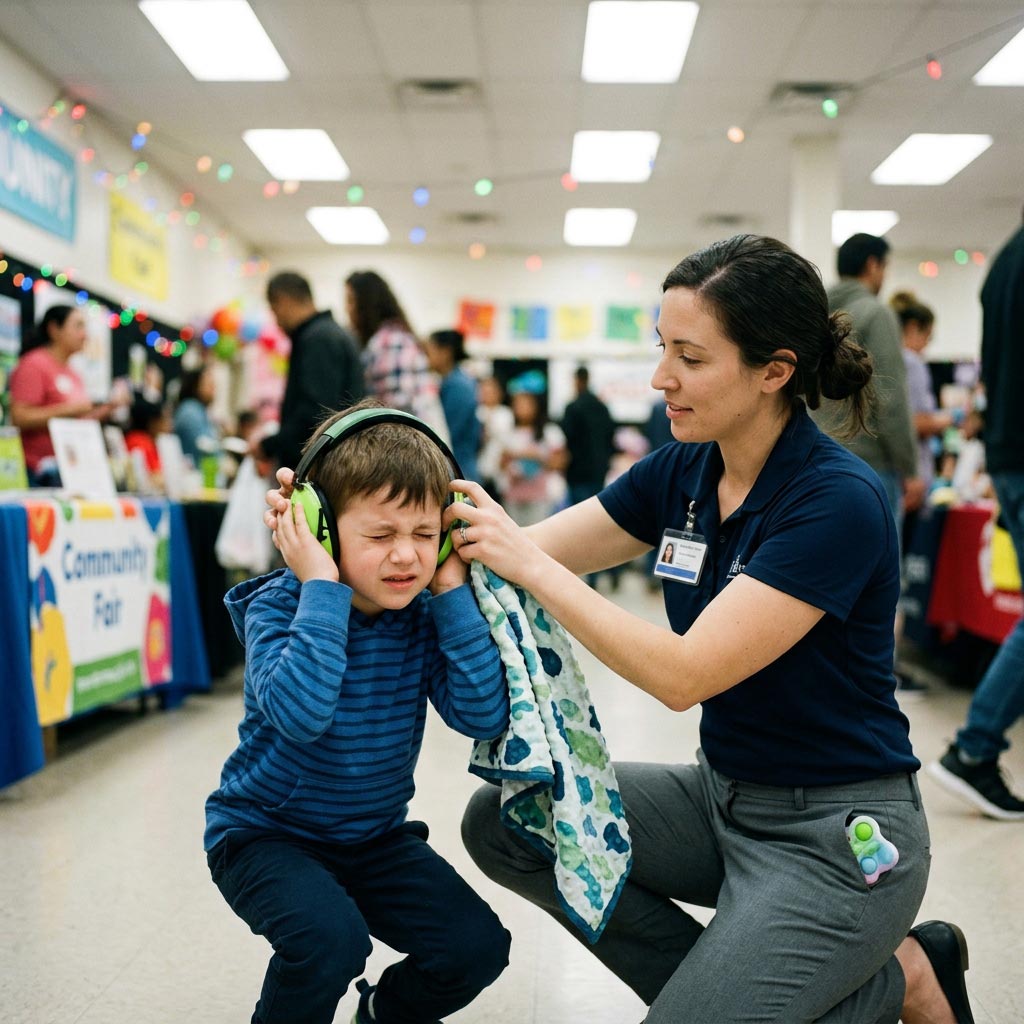
Some children are intensely sensitive to light, sound, or touch, causing them to withdraw or display communication issues, similar to autistic sensory overload.

Childhood Disintegrative Disorder (CDD)

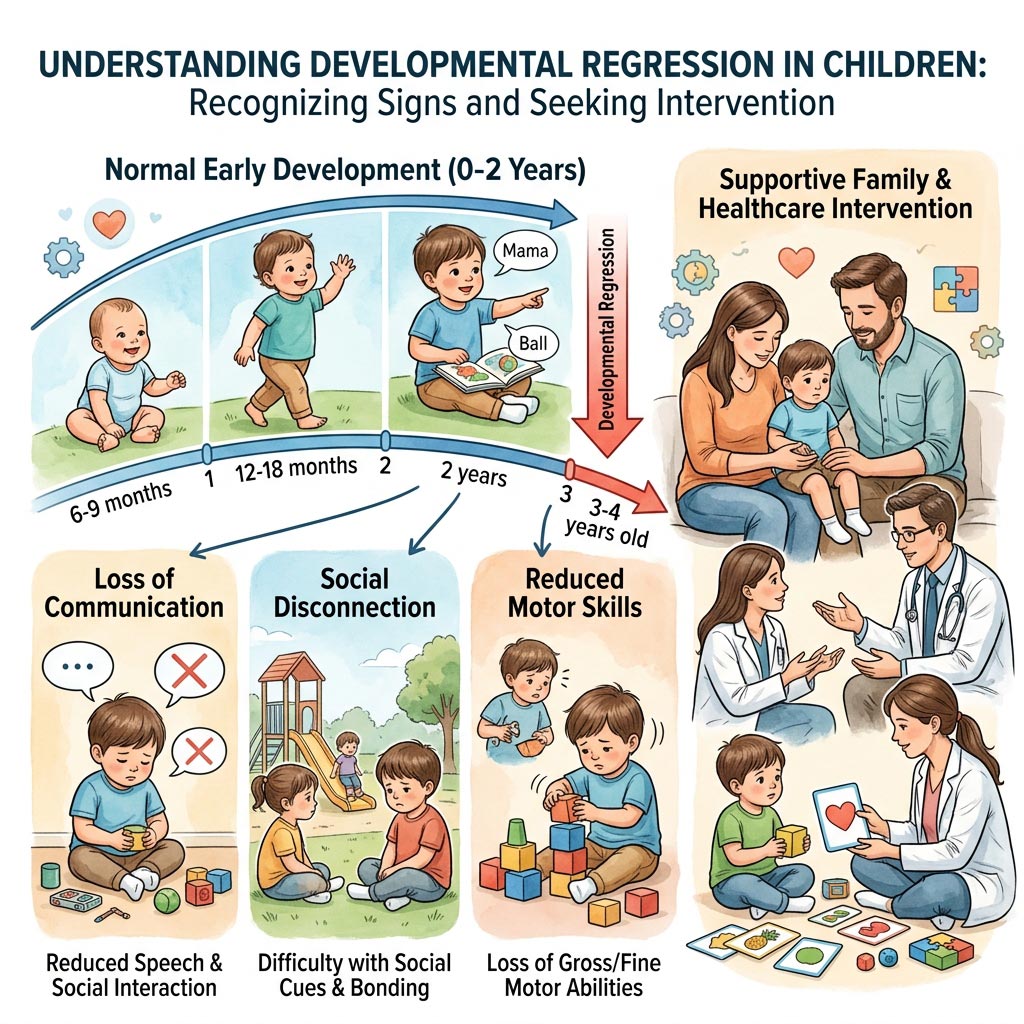
A rare condition where children develop normally for the first few years of life and then experience a severe loss of social, communication, and motor skills.

Scroll to Top